Buyer guide ·
How freight consolidation works (LCL vs FCL) and when it saves money
A plain-language explanation of consolidated ocean freight: LCL vs FCL, how goods from several factories are combined, timing, and how it lowers landed cost.
Ocean freight is sold two ways: a full container (FCL) or less-than-container load (LCL), where your cargo shares a container with others. Consolidation means combining goods from several suppliers into one shipment for one buyer.
FCL vs LCL
- FCL: you pay for the whole 20 ft or 40 ft container. Cheapest per unit when you can fill it, and the container is sealed at origin.
- LCL: you pay by volume (cubic metres). Good for small orders, but each shipment carries handling and terminal charges at both ends, and transit is slower because cargo is stuffed and unstuffed at warehouses.
Buyer consolidation
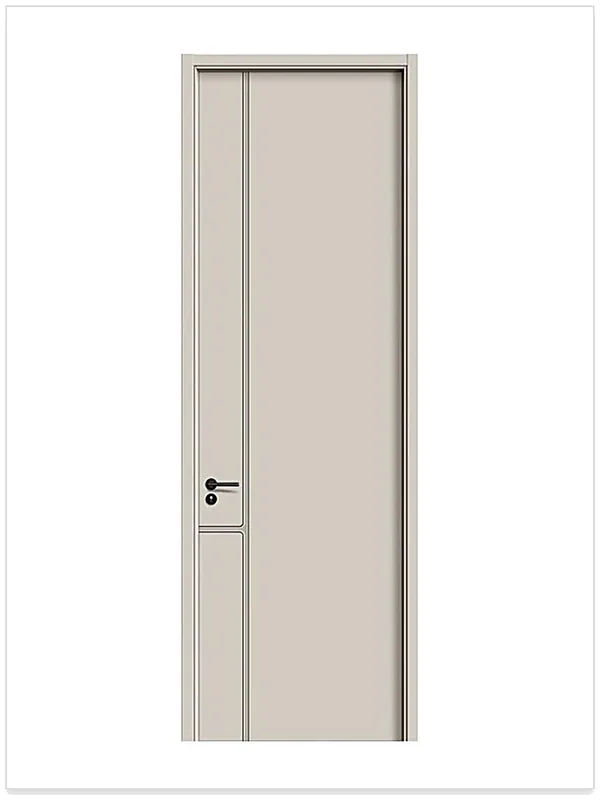
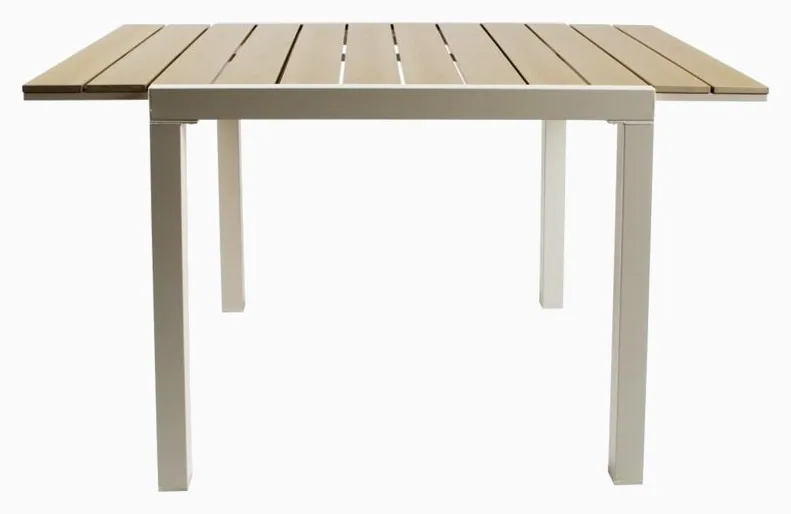
If you buy doors from one factory, lighting from another and furniture from a third, each order on its own might be LCL. Collected at an origin warehouse and loaded together, they can fill one container: one booking, one customs entry, one delivery.
What it saves
- Fewer per-shipment fees (documentation, brokerage, terminal handling).
- Lower freight per unit once the container is well filled.
- One delivery appointment instead of several.
- Less handling, so less damage.
The trade-off: timing
A consolidated container leaves when the slowest supplier is ready. Good planning groups items with similar lead times and leaves urgent items for a separate shipment.
How we do it
We coordinate the factories, check goods at origin, load one container and deliver across Ontario. Your quote shows a single delivered cost. More on our sourcing and consolidation service.