Buyer guide ·
Commercial kitchen equipment buying guide for restaurants and caterers
What to check when buying commercial kitchen equipment: certification, utilities, capacity, stainless grades, cleaning, space planning and spare parts.
Commercial kitchen equipment runs for hours a day under heat and grease. Buying on price alone usually costs more later. Use this checklist before you order.
1. Certification
Gas and electrical equipment installed in a commercial kitchen in Ontario needs the appropriate Canadian certification, and your inspector, landlord and insurer will ask. Sanitation certification (for example NSF/ANSI listings) is often required by public health for food-contact equipment. Ask for documents by model before you order.
2. Utilities
- Gas type (natural gas or propane) and connection size.
- Electrical voltage and phase (120 V, 208/240 V single or three phase).
- Water and drain connections for dishwashers, steamers and ice machines.
- Ventilation: hood requirements for cooking equipment.
3. Capacity and menu
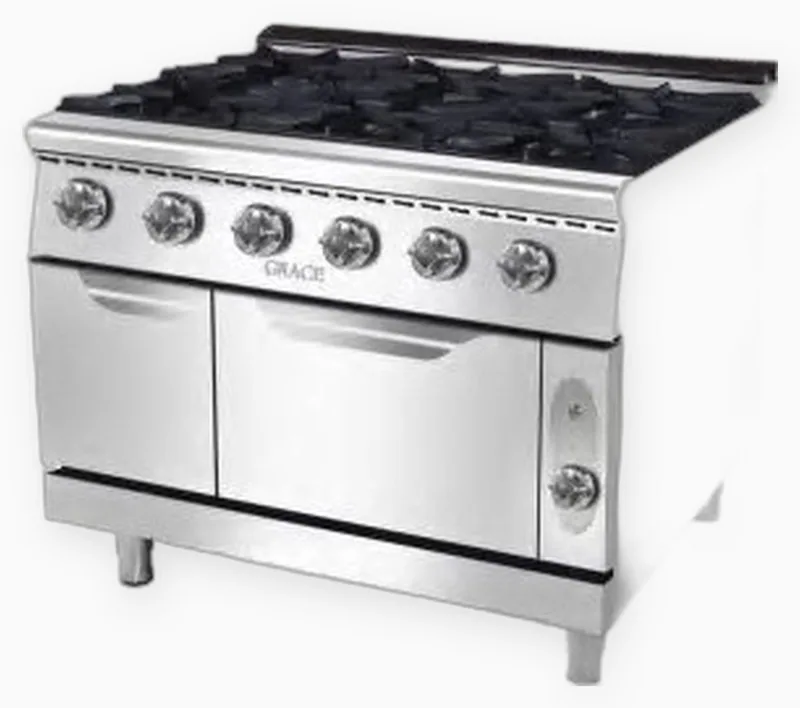
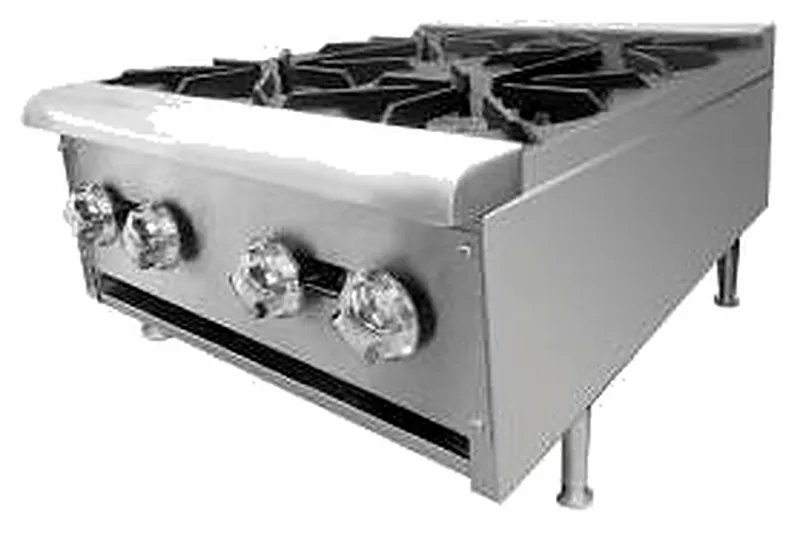
Size equipment to your menu and peak covers, not your average day. Undersized fryers, ranges and refrigeration slow service and wear out faster.
4. Materials
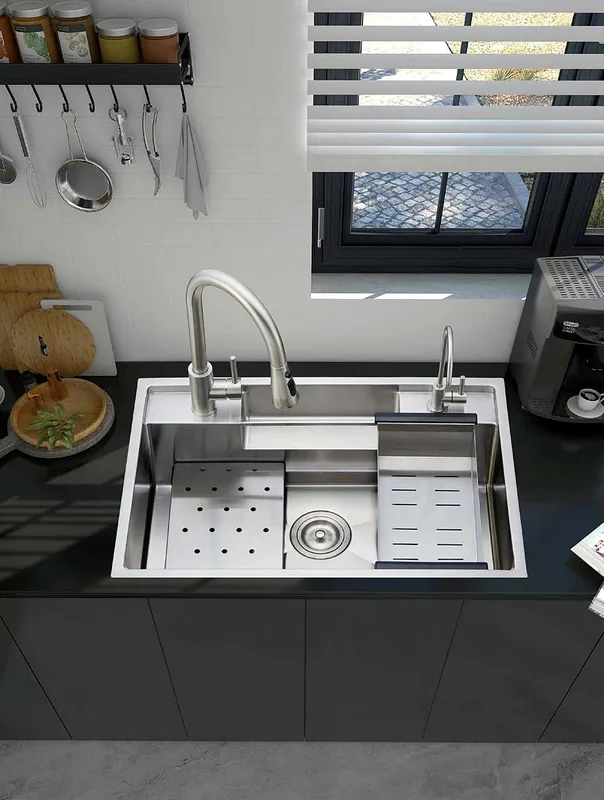
Type 304 stainless steel resists corrosion better than 201 in wet and acidic environments. Check gauge on work tables and sinks.
5. Cleaning and service
Removable parts, rounded corners and accessible components cut cleaning time. Ask which spare parts and consumables can be supplied with the order.
6. Space planning
Measure doorways and corridors, not just the final position. Allow clearances for heat and service access.
7. Front of house
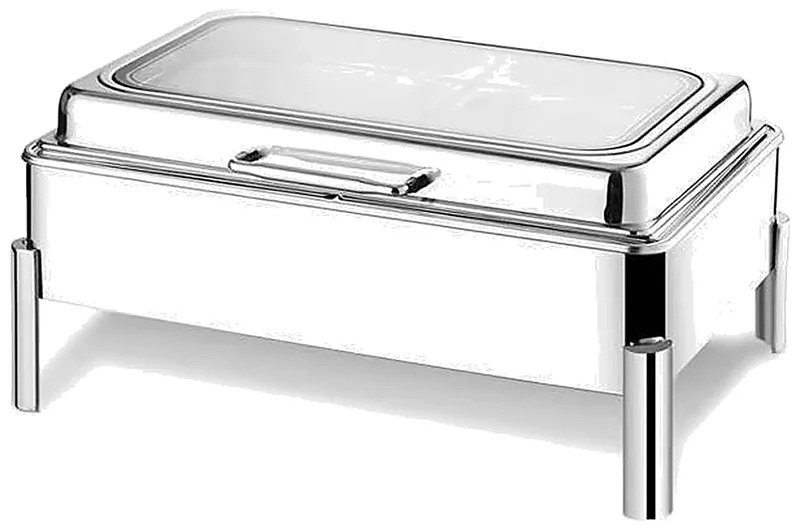
Buffet, catering and display equipment, trays and tableware are easy to add to the same shipment.
Send us your equipment list or layout for a single delivered quote. Browse Kitchen & Housewares.